Understanding Play-Based Learning in Early Years
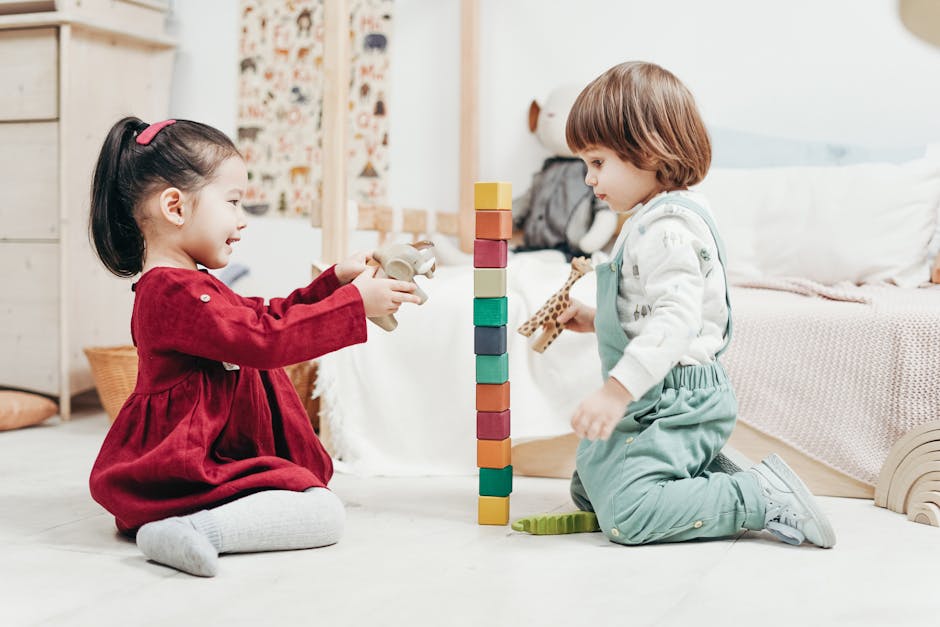
In the UK Early Years Foundation Stage (EYFS), play-based learning is at the heart of quality nursery provision. Yet many parents wonder: if children are just playing, are they actually learning? The answer is a resounding yes.
What is play-based learning? Play-based learning means children acquire knowledge, skills, and understanding through play activities rather than formal instruction. A child building with blocks isn't just having fun—they're developing spatial awareness, problem-solving abilities, and understanding cause and effect.
The EYFS Framework. The Early Years Foundation Stage, which applies to all UK nurseries and early years settings, emphasises learning through play. It recognises seven areas of learning: communication and language, physical development, personal and social development, literacy, mathematics, understanding the world, and expressive arts and design. Play naturally encompasses all of these.
How play develops key skills. Through play, children develop language as they narrate their games and chat with peers. Physical play strengthens muscles and coordination. Imaginative play builds emotional intelligence and social skills. Problem-solving games develop mathematical and logical thinking.
Different types of play. Quality nurseries offer varied play experiences: sensory play (sand, water, textures), physical play (climbing, running, dancing), imaginative play (role-play corners, dressing up), constructive play (building, creating), and games with rules. Each type serves different developmental purposes.
The role of nursery staff. Effective play-based learning isn't simply leaving children to their own devices. Skilled practitioners observe children's play, ask open-ended questions, introduce new materials or ideas, and gently extend learning. This is called "sustained shared thinking."
Why this matters for your child. Children who learn through play develop greater motivation and love of learning. They're more likely to take risks, experiment, and persist with challenges. They also develop independence and decision-making skills, choosing activities and solving problems without adult direction.
Supporting play-based learning at home. You don't need expensive toys. Provide open-ended materials: boxes, blankets, natural objects, art supplies. Let your child lead their own play. Ask questions rather than giving answers. This mirrors the approach used in quality nurseries.
When you see your child deeply engaged in play, they're not just having fun—they're building the foundations for lifelong learning.